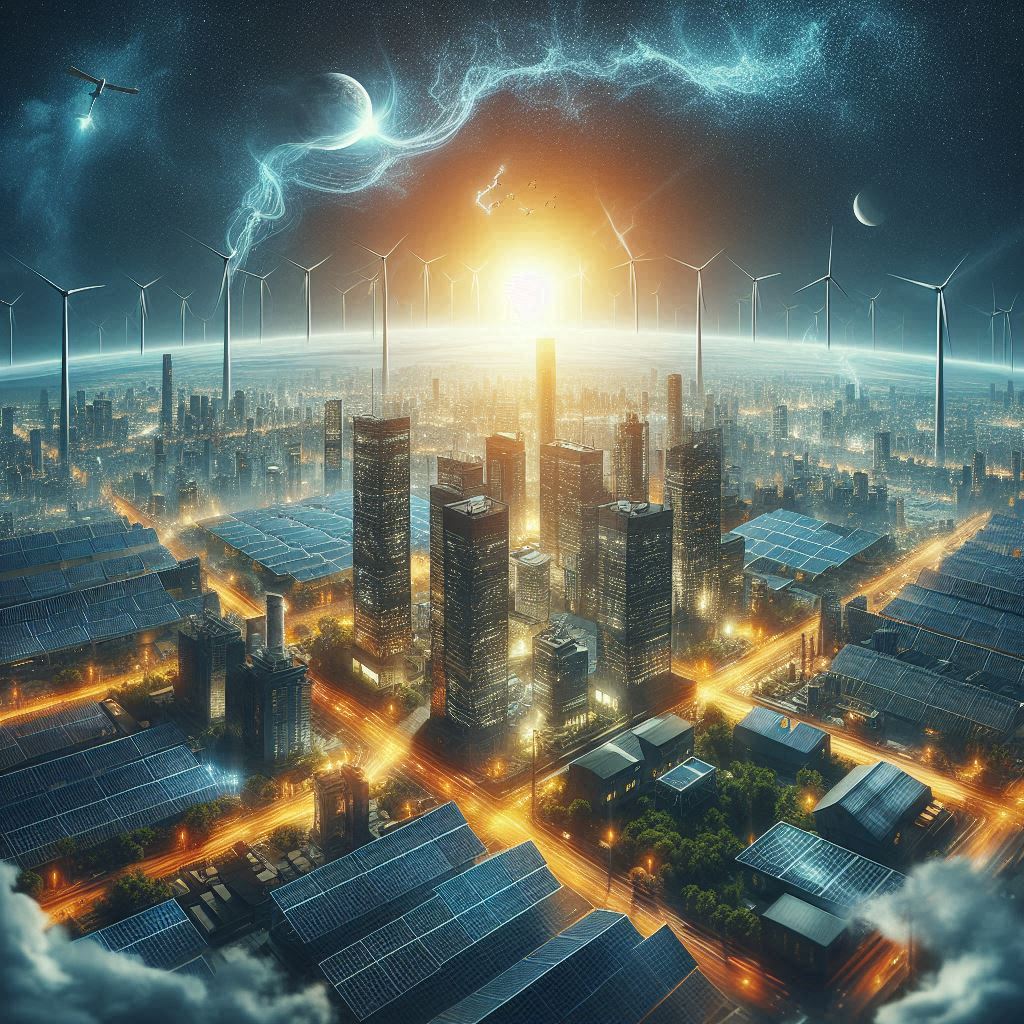
As the world continues its push toward sustainable and eco-friendly energy solutions, solar power stands out as one of the most promising and widely adopted technologies. In India, where sunshine is abundant for most of the year, utilizing solar energy is both practical and cost-effective. Among the various solar technologies available today, the solar power system and solar rooftop system are gaining popularity for their efficiency, affordability, and environmental benefits.
What is a Solar Power System?
A solar company in pune is a technology that converts sunlight into electricity using photovoltaic (PV) cells. These systems can be installed on rooftops, open fields, or even integrated into buildings and infrastructure. Solar power systems are primarily of three types:
- On-Grid System: This type of system is connected to the main electricity grid. Excess electricity generated can be exported to the grid, allowing homeowners or businesses to earn credits through net metering.
- Off-Grid System: These systems are not connected to the grid and typically use batteries to store energy for use during non-sunny hours. They are ideal for remote areas where grid access is limited or unreliable.
Hybrid System: A combination of both on-grid and off-grid, these systems offer fl Innovative Green Solutions: Exploring the Future of Solar Park and Solar Tree Technology
As the global demand for clean and renewable energy continues to rise, solar energy has emerged as one of the most viable and sustainable alternatives to fossil fuels. In India and around the world, efforts are being made to integrate solar power into public and private infrastructure more creatively and efficiently. Among the most promising innovations are the solar park and solar tree—two approaches that maximize solar energy harnessing while addressing space constraints and environmental concerns.
What is a Solar Park?
A solar park is a large-scale installation of solar solar rooftop systemb photovoltaic (PV) panels, usually spread across vast land areas, designed to generate electricity for utility-scale distribution. These parks are strategically located in areas with high solar irradiance and minimal shading to optimize energy production. Often set up in collaboration with state and central governments, solar parks contribute significantly to national renewable energy targets.
In India, the Ministry of New and Renewable Energy (MNRE) launched the Solar Park Scheme to promote the development of such parks across various states. As of now, several large solar parks are operational in states like Gujarat, Rajasthan, Karnataka, and Andhra Pradesh.
Key Features:
- Massive energy generation capacity
- Grid-connected infrastructure
- Employment opportunities in local communities
- Environmentally friendly and efficient use of barren or unused land
Benefits of Solar Parks
- Scalable Power Generation: Solar parks can produce hundreds or even thousands of megawatts (MW) of clean energy.
- Lower Cost per Watt: Bulk installations reduce the cost per unit of electricity generated.
- Reduced Transmission Losses: Proximity to industrial zones ensures minimal loss in power transmission.
- Supports Energy Goals: Solar parks are instrumental in helping India achieve its renewable energy targets under the Paris Agreement.
- Job Creation: Installation, operation, and maintenance of solar parks provide local employment and skill development.
Understanding Solar Trees
A solar tree is a vertical structure designed to mimic the shape and function of a tree, with photovoltaic panels installed on its branches. Unlike traditional flat panel setups, solar trees take up minimal ground space, making them ideal for urban and semi-urban environments where land is at a premium.
Developed as part of smart city initiatives and green public infrastructure, solar trees can be seen in parks, campuses, corporate buildings, and even on road dividers. They serve not only as power sources but also as symbols of innovation and sustainability.
Key Features:
- Compact design that saves space
- Aesthetic appeal in urban landscaping
- Multi-functional: Some models include LED lighting, USB charging ports, and benches
- Rainwater harvesting systems in advanced models
Benefits of Solar Trees
- Space-Efficient: They require significantly less land than traditional solar panel systems.
- Ideal for Cities: Perfect for places where horizontal installations are not possible.
- Public Awareness: Solar trees create visual impact and promote awareness about renewable energy.
- Multipurpose Utility: In addition to energy generation, solar trees often support lighting, surveillance cameras, or public amenities.
- Resilience and Durability: Designed to withstand harsh weather conditions and require low maintenance.
The Synergy Between Solar Parks and Solar Trees
While solar parks address the large-scale energy needs of communities and industries, solar trees offer decentralized energy solutions perfect for cities and individual institutions. Together, these innovations form a robust model for diversified solar energy deployment.
Municipal bodies, educational institutions, corporate campuses, and housing societies are increasingly integrating solar trees into their green infrastructure. At the same time, solar parks continue to feed vast amounts of renewable energy into the national grid, stabilizing supply and reducing reliance on non-renewable resources.
Conclusion
The future of sustainable energy lies in innovation, scalability, and smart design. India’s commitment to expanding solar infrastructure through developments like the solar power system initiative and the rise of the solar tree reflects a powerful synergy between technology and environmental consciousness. As these solutions become more widespread, they will play a crucial role in transforming the energy landscape, offering cleaner, greener, and smarter alternatives to conventional power sources.
- exibility by using the grid when needed while also storing power in batteries for backup.
Components of a Solar Power System
A standard solar power system consists of:
- Solar Panels: Capture sunlight and convert it into DC electricity.
- Inverter: Converts DC electricity into AC, which is suitable for household appliances.
- Mounting Structures: Secure the solar panels in place.
- Batteries (optional): Store excess energy for later use.
- Cables and Wiring: Facilitate the flow of electricity throughout the system.
What is a Solar Rooftop System?
A solar rooftop system is a specific type of solar power system installed directly on the roof of a residential, commercial, or industrial building. These systems are an efficient way to utilize idle roof space and are especially beneficial in densely populated urban areas where ground space is limited.
Solar rooftop systems not only reduce electricity bills but also add value to the property, making them a smart investment for long-term sustainability. With government subsidies and incentives, rooftop solar has become more accessible and affordable for the average consumer.
Benefits of Installing Solar Systems
- Cost Savings: Solar energy significantly reduces monthly electricity bills. With the availability of net metering, users can offset their power costs by exporting excess electricity to the grid.
- Environmentally Friendly: Solar systems generate clean, renewable energy, helping reduce carbon emissions and environmental degradation.
- Low Maintenance: Once installed, solar systems require minimal maintenance. Regular cleaning and occasional inspections are typically all that’s needed.
- Energy Independence: With your own solar system, you’re less dependent on conventional power sources, ensuring consistent power during outages.
- Government Support: Subsidies from the Indian government and tax benefits make solar installations more affordable.
Choosing the Right System for Your Needs
When deciding between an on-grid or off-grid system, consider your energy needs, budget, location, and access to the grid. Residential users in urban settings may benefit more from on-grid rooftop systems, while rural users might opt for off-grid setups. It’s also important to consult certified solar installers who can assess your property and recommend the best system configuration.
Final Thoughts
As energy demands rise and the need for sustainable solutions grows stronger, solar energy offers a reliable, efficient, and eco-friendly alternative. Whether you’re a homeowner looking to cut electricity bills or a business aiming to reduce your carbon footprint, investing in a solar power system is a step toward a cleaner future. Likewise, a solar companies makes excellent use of available space while turning your home or office into a green energy hub. The sun is a powerful ally—harness it to power your world sustainably.
 digitaldata
Leave a comment